Mastering Healthy Cooking with Air Fryers: Nutrient-Rich Recipes for Modern Kitchens
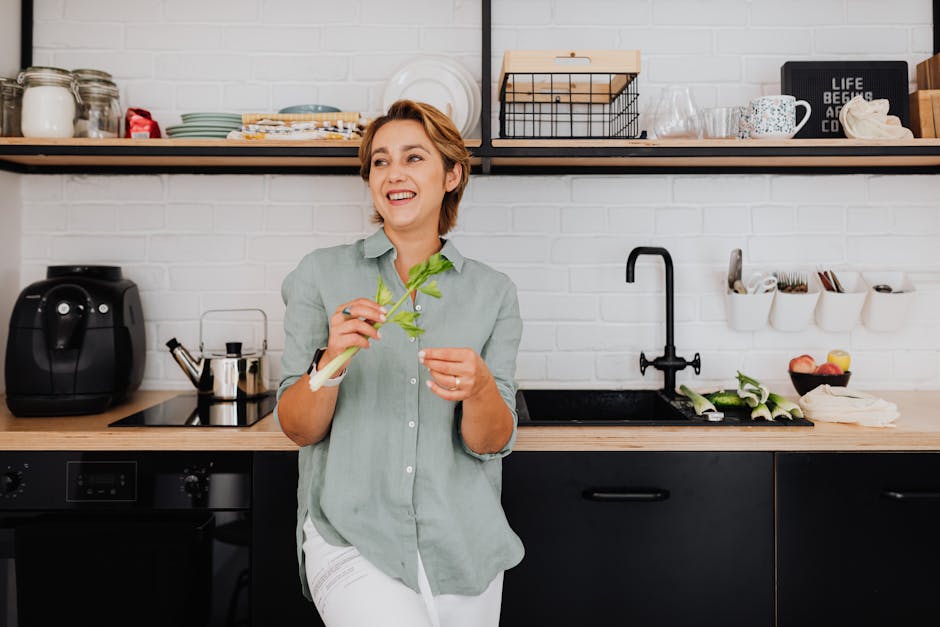
In an era where health-conscious living has become a priority for millions, mastering the art of healthy cooking isn’t just a trend—it’s a lifestyle transformation. With modern appliances like air fryers redefining culinary possibilities, achieving nutritious meals has never been easier or more enjoyable.
The fusion of technology and wellness offers unprecedented opportunities to craft flavorful dishes while prioritizing nutritional value. Whether you’re a seasoned chef or a beginner exploring kitchen fundamentals, this guide will equip you with strategies, recipes, and insights to elevate your healthy cooking journey.
Understanding the Foundations of Healthy Cooking
At its core, healthy cooking revolves around three pillars: nourishment, moderation, and sustainability. These principles ensure that every bite contributes positively to overall well-being while respecting personal dietary preferences and limitations.
Nourishment begins with selecting whole, unprocessed foods rich in vitamins, minerals, and antioxidants. Whole grains, fresh vegetables, lean proteins, and plant-based oils form the bedrock of a balanced diet. Moderation involves being mindful of portion sizes and avoiding excessive intake of sugar, sodium, and unhealthy fats.
Sustainability extends beyond environmental impact; it encompasses long-term health goals and ethical food sourcing practices. Choosing locally grown, seasonal ingredients reduces carbon footprints while supporting local agriculture and biodiversity.
- Whole Foods Matter: Prioritize minimally processed items like quinoa, wild-caught fish, and organic leafy greens over packaged snacks and sugary beverages.
- Balanced Macronutrients: Combine carbohydrates, proteins, and fats in optimal ratios—such as pairing brown rice with grilled chicken and avocado—to sustain energy levels and support bodily functions.
Air fryers enhance this foundation by enabling cooks to prepare crispy, satisfying meals without compromising nutritional integrity. Their ability to circulate hot air at high temperatures mimics deep-frying but significantly cuts oil consumption—a game-changer for those seeking guilt-free indulgence.
How Air Fryers Revolutionize Healthy Cooking
Traditional deep-fried foods often carry negative connotations due to their association with excess grease and calories. However, air fryers redefine this narrative by delivering restaurant-quality textures with minimal oil. This appliance bridges the gap between convenience and health, appealing to busy individuals who crave quick, nutritious meals.
One standout benefit of air fryers lies in their capacity to retain natural flavors without relying heavily on added fats. By using a small amount of oil or non-stick spray, users can achieve golden-brown crusts on everything from chicken wings to sweet potato fries—all while reducing saturated fat intake by up to 80% compared to conventional frying methods.
Preserving Nutritional Value Through Smart Technology
A study published in the Journal of Food Science revealed that air frying preserves up to 90% of a vegetable’s vitamin C content when compared to boiling or microwaving. This makes air fryers ideal for preparing nutrient-dense side dishes like broccoli florets or zucchini sticks without sacrificing flavor.
Furthermore, the precise heat distribution within air fryer chambers ensures even cooking times, eliminating the risk of burning or undercooking delicate ingredients. This precision not only enhances taste but also maximizes the retention of essential micronutrients like folate and potassium found in root vegetables.
Essential Ingredients for Healthy Meals
Crafting wholesome meals requires thoughtful selection of ingredients that align with nutritional guidelines while enhancing flavor profiles. Begin by stocking your pantry with staples known for their health benefits and versatility in recipe creation.
Whole grain products such as oats, farro, and bulgur provide sustained energy thanks to complex carbohydrates and fiber. Incorporating legumes like lentils and chickpeas adds protein and iron-rich elements, perfect for creating hearty stews or salads.
Lean protein sources—including skinless poultry, tofu, and tempeh—are crucial for muscle repair and immune function. Pairing these with omega-3 fatty acids from walnuts or flaxseeds further supports cardiovascular health and cognitive performance.
- Vibrant Vegetables: Colorful produce like bell peppers, spinach, and carrots delivers an array of phytonutrients linked to disease prevention and cellular protection.
- Herbs & Spices: Turmeric, ginger, and garlic add depth of flavor without contributing empty calories or harmful additives commonly found in commercial seasonings.
By integrating these components into daily menus, cooks can design colorful plates that satisfy both palate and physique. Experimentation with new combinations keeps mealtime exciting while reinforcing positive dietary habits over time.
Healthy Meal Planning Strategies
Elevating your cooking experience starts with strategic planning that accommodates schedule demands and personal preferences. Effective meal planning simplifies grocery shopping, reduces food waste, and promotes consistency in healthy eating patterns.
Create weekly meal calendars outlining breakfasts, lunches, dinners, and snacks based on available resources and dietary goals. Allocate time slots for prep work such as chopping vegetables or marinating meats ahead of cooking sessions to streamline execution during hectic days.
When developing recipes, consider incorporating “flexible” base ingredients that adapt easily to different preparations. For instance, roasted cauliflower serves as an excellent substitute for mashed potatoes or pizza crusts depending on desired outcomes.
Mindfully reading product labels becomes another vital skill when purchasing groceries. Look out for hidden sugars disguised as agave nectar or corn syrup, as well as artificial preservatives that may compromise quality despite marketing claims.
To maintain variety without falling back on repetitive routines, rotate staple ingredients regularly. Introduce seasonal fruits and vegetables according to regional availability—this not only supports sustainable farming practices but also encourages exploration of diverse cuisines.
Cooking Techniques for Healthier Dishes
Adopting innovative cooking techniques amplifies the potential of healthy ingredients while minimizing exposure to harmful compounds formed through prolonged heating processes. Techniques ranging from steaming to sous-vide offer distinct advantages worth exploring.
Steaming preserves water-soluble vitamins such as B-complex group members and vitamin C, making it particularly suitable for tender greens and seafood. Utilize bamboo steamers placed inside pots filled with simmering water to avoid direct contact with moisture, ensuring crisp exteriors when applicable.
Grilling imparts smoky aromas onto proteins like salmon fillets or portobello mushrooms without requiring additional fats. Opt for indirect heat zones on charcoal grills whenever dealing with sensitive items prone to charring quickly.
Roasting intensifies sweetness in root vegetables while caramelizing outer layers—an effect enhanced by drizzling olive oil sparingly before placing them in preheated ovens set at moderate temperatures around 400°F (approximately 200°C).
Baking provides another avenue for achieving desirable textures without reliance on trans fats. Employing parchment paper-lined sheets facilitates easy cleanup after assembling baked goods like muffins made from whole wheat flour blended with grated apples for natural sweetness.
Sous-vide cooking represents cutting-edge methodology wherein vacuum-sealed bags containing food portions are submerged in precisely controlled warm baths. This technique allows for unparalleled accuracy regarding doneness levels, especially useful for eggs and tough cuts of meat needing slow braising effects.
Overcoming Common Challenges in Healthy Cooking
Despite growing awareness surrounding nutritious lifestyles, several obstacles hinder progress toward consistent implementation. Addressing these issues head-on enables greater success rates among aspiring chefs aiming to make permanent shifts towards wellness-focused diets.
Time management emerges as primary concern given contemporary life rhythms characterized by demanding schedules. To mitigate this challenge, prioritize efficiency through batch preparation strategies involving freezing leftovers promptly post-cooking so they remain ready for reheating later.
Social gatherings pose another hurdle because dining out frequently contradicts efforts aimed at limiting processed food intakes. Develop conversation starters centered around menu selections rather than outright refusing invitations altogether—knowledgeably suggesting healthier modifications proves effective at many restaurants.
Financial constraints shouldn’t deter pursuit of wholesome cuisine either. Focus instead on cost-effective superfoods such as frozen berries which retain antioxidant potency comparable to fresh counterparts bought during peak seasons. Additionally, buying in bulk from wholesale clubs yields savings on staples like beans and rice used extensively across numerous recipes.
Cravings represent yet another obstacle stemming from psychological associations developed over years consuming highly palatable yet nutritionally poor offerings. Combat these urges by gradually replacing favorite treats with analogous healthy versions—for example substituting dark chocolate squares for milk chocolate bars while keeping same shape sizes intact.
Creative Recipe Ideas for Every Occasion
Exploring novel ways to present familiar favorites injects freshness into regular routines. Creative presentation transforms ordinary ingredients into visually stunning creations worthy of sharing with friends and family alike.
Transform basic stir-fries into elegant presentations by layering cooked noodles beneath vibrant slaws composed primarily of shredded cabbage mixed with sesame seeds and chili flakes. Top off with poached eggs or grilled shrimp for added protein boosts.
Reinvent classic casseroles by utilizing silicone molds shaped like mini pies or tarts. Fill cavities with layered combinations featuring quinoa bases followed by sautéed kale leaves then finish with cheese gratins baked briefly until bubbly surfaces appear.
Dessert ideas don’t have to involve refined flours or butter. Consider crafting no-bake energy balls packed full of rolled oats combined with peanut butter, honey, and chopped almonds wrapped tightly enough to hold together firmly upon serving.
Snack platters become interactive experiences when arranged thoughtfully. Arrange sliced cucumbers alongside hummus dips accompanied by raw carrot sticks dipped in tahini sauce for contrast between creamy and crunchy textures experienced simultaneously.
Building Sustainable Habits Around Healthy Eating
Lasting change occurs progressively through incremental adjustments rather than abrupt transformations. Establish realistic expectations about gradual improvements rather than striving for perfection right away.
Track progress systematically via journal entries documenting successes achieved along with setbacks encountered periodically. Reflect honestly upon observations gathered thereby identifying areas warranting continued attention versus aspects already mastered effectively.
Engage actively within supportive communities online comprising fellow enthusiasts committed similarly towards fostering healthier environments collectively. Share triumphs celebrated openly alongside learning opportunities derived from others’ experiences shared freely.
Celebrate milestones reached regardless of size significance—each step forward counts toward ultimate goal realization irrespective of immediate results perceived initially.
Remember that flexibility remains key element guiding successful transitions lasting longer periods. Adjustments may occasionally prove necessary depending upon evolving circumstances influencing priorities temporarily;
Conclusion
This comprehensive overview underscores the transformative power residing within intelligent approaches combining technological advancements like air fryers alongside timeless wisdom concerning balanced nutrition. Embracing these principles equips individuals with tools required navigating complexities inherent in modern food systems successfully.
By adopting mindful cooking practices supported strategically planned routines coupled with creative experimentation, anyone can cultivate deeply rewarding relationships with food leading ultimately toward improved physical vitality and mental clarity experienced consistently day-to-day.